The Enigma of Post-Flood Giants: Mythology's Echoes of Ancient Power
Did ancient myths of giants and colossal beings hold a kernel of truth beyond mere legend? This exploration delves into the recurring tales of post-Flood giants across global mythologies, suggesting these stories may be distorted memories of real encounters. Unravel the mysteries that connect ancient lore to the enduring fascination with beings that defy explanation.
Key Takeaways
- Global myths of giants and monstrous beings are often interpreted as distorted echoes of genuine supernatural encounters persisting after the biblical Flood.
- The recurring motif of giants across diverse ancient cultures points to a shared, albeit mythologized, historical source rather than independent invention.
- Biblical accounts of post-Flood giants like the Anakim and Nephilim provide a foundational narrative that resonates with these widespread mythological themes.
- The persistence of these narratives across cultures suggests a common, possibly physical or spiritual, influence that shaped early human understanding of the world.
- Examining these myths through a lens of historical possibility opens new avenues for understanding cryptid phenomena and unexplained historical anomalies.
Global Myths of Colossal Beings: A Common Thread?
Across the tapestry of human history, from the sun-baked plains of Mesopotamia to the rugged mountains of Scandinavia and the fertile valleys of the Mediterranean, a singular narrative emerges with striking frequency: the existence of giants. These colossal beings, often depicted as powerful, fearsome, and sometimes monstrous, populate the mythologies of nearly every ancient civilization. From the Anakim and Rephaim of the Hebrew Bible to the Titans and Cyclopes of Greek lore, the Jotnar of Norse sagas, and the formidable figures found in Sumerian, Egyptian, and Native American traditions, the motif of the giant is a universal constant. For centuries, these tales have been largely dismissed as pure fantasy, primitive attempts to explain the inexplicable, or symbolic representations of natural forces. However, an alternative perspective suggests that these widespread narratives might be more than mere invention.
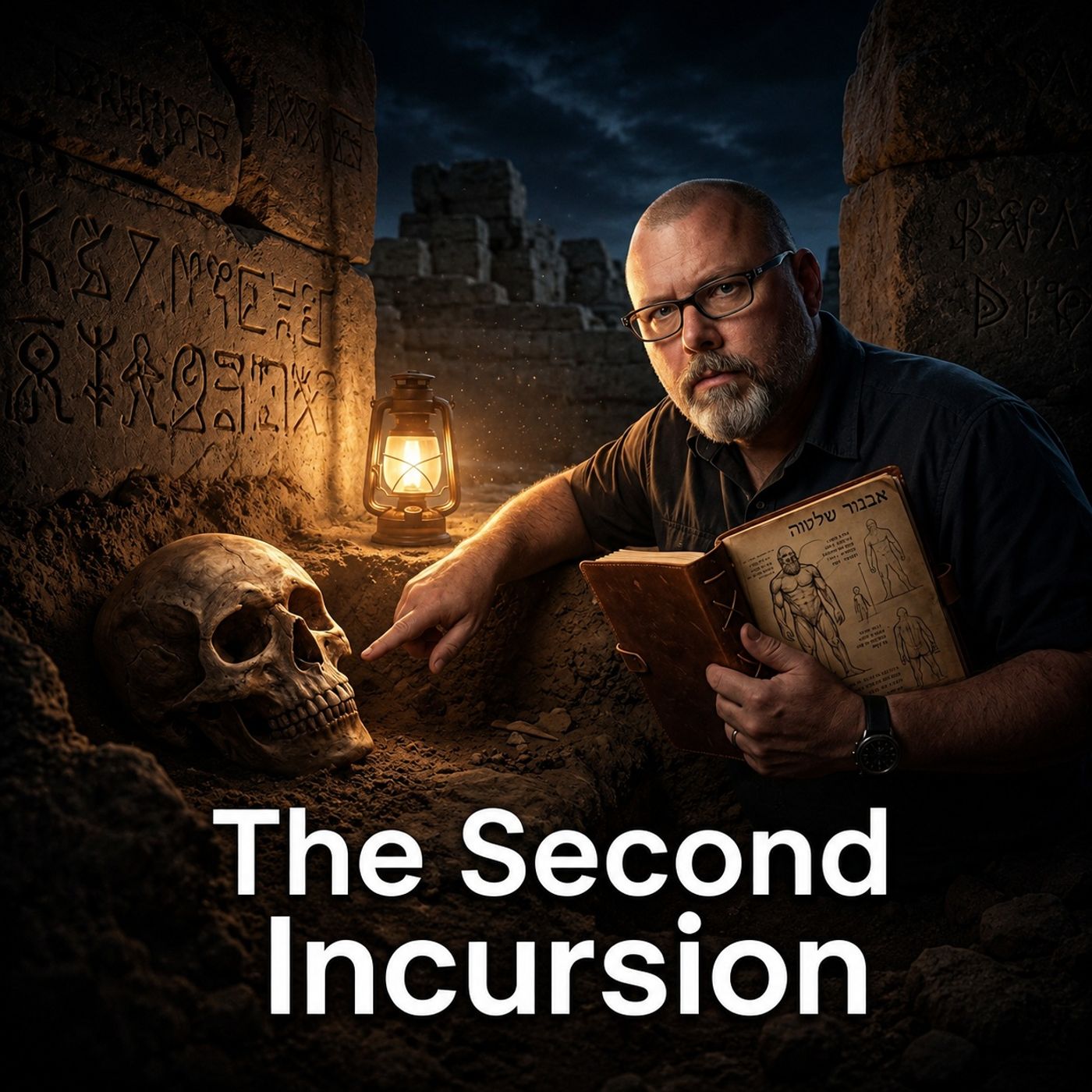
The podcast episode "Did the Biblical Flood Fail? The Truth About the Second Incursion" on The Broadcasting Seeds Podcast invites listeners to consider a more profound origin for these tales. It proposes that the biblical Flood, while a cataclysmic event, may not have been the absolute end of all supernatural or anomalous presences on Earth. Instead, the theory suggests that remnants or re-emergences of pre-Flood entities, or similar supernatural influences, continued to interact with humanity in the post-Flood era. This 'Second Incursion' idea, as explored in the episode, provides a potential framework for understanding why stories of giants and immense beings are so pervasive and remarkably consistent across cultures that had no historical contact. These myths could represent fractured, mythologized memories of genuine encounters with beings that were a tangible, if terrifying, part of early human existence.
The Anakim and Nephilim: Biblical Giants Before and After the Flood
The biblical narrative itself offers a compelling, albeit often overlooked, foundation for the idea of post-Flood giants. Genesis 6 famously speaks of the Nephilim, often translated as 'giants,' who were present on the Earth before the Flood, alongside 'sons of God' and 'daughters of men.' While the exact nature of the Nephilim remains a subject of intense theological debate, their description as powerful beings from an 'ancient time' lends weight to the idea of anomalous entities existing in the early world. Crucially, the narrative does not end with the Flood. Following the deluge, as the descendants of Noah begin to populate the land, the Bible again mentions giants. The spies sent by Moses into the land of Canaan reported seeing the Anakim, descendants of giants, who were of such immense stature that they made the Israelites feel like grasshoppers in comparison (Numbers 13:33). These were not isolated incidents; the Anakim are described as a powerful people, and their lineage is linked to other giant-like groups such as the Rephaim, Emim, and Zamzummim. These biblical accounts provide a direct, historical anchor for the concept of giants existing in the world after the supposed cleansing event of the Flood. They suggest a continuity of these beings, or at least their influence, which could have seeped into and shaped the oral traditions and mythologies of surrounding cultures, contributing to the global prevalence of giant lore.
Cultural Parallels and the Source of Myth
The sheer consistency of giant myths across vastly different geographical locations and cultures is perhaps the most compelling argument for a shared, non-invented source. Consider the Sumerian epic of Gilgamesh, which predates the biblical Flood accounts, detailing encounters with powerful, non-human beings. Greek mythology is replete with Titans and Cyclopes, beings of immense size and strength who played pivotal roles in the creation and early history of the world. Norse mythology features the Jotnar, frost and mountain giants, who were primeval adversaries of the gods. In the Americas, indigenous peoples have their own traditions of giants, sometimes benevolent, sometimes malevolent, who walked the Earth in ancient times. These are not mere coincidences. The independent emergence of such similar themes suggests a common wellspring of human experience or memory. The 'Second Incursion' theory offers a unique lens through which to view these parallels. If anomalous or supernatural entities continued to exist or interact with early human populations after the Flood, then it is plausible that these interactions, however mythologized over millennia, formed the bedrock of these pervasive giant legends. The myths, in this light, become distorted historical records, passed down through generations, each culture adapting the core memory to its own worldview and cultural context. The fear, awe, and wonder inspired by these beings would naturally be amplified and transformed into the epic tales of gods, monsters, and heroes that define ancient mythology.
Interpreting Cryptids and Anomalies Through Myth
The exploration of post-Flood giants also offers a fascinating perspective on modern-day phenomena, particularly the enduring fascination with cryptids. Creatures like Bigfoot, the Yeti, and other elusive, large-bodied beings reported in remote areas share many characteristics with the giants of ancient lore: immense size, elusive nature, and a presence that inspires both fear and wonder. If we entertain the possibility that ancient giants were real, then the ongoing reports of cryptids could be seen as modern echoes or even direct descendants of these ancient beings. The 'Second Incursion' theory provides a historical and quasi-scientific framework for considering that such entities might not be entirely a product of folklore or misidentification. Instead, they could represent a continuation of anomalous biological or supernatural presences that have existed since the earliest epochs of human history. By re-examining ancient myths not just as stories, but as potential records of encounters with the unknown, we can approach modern cryptid research with a more open mind. The patterns observed in ancient giant lore – their immense power, their sometimes-fearsome reputation, and their connection to wild or untamed places – often mirror the characteristics attributed to modern cryptids. This suggests that our deep-seated fascination with these mysterious creatures might stem from a very ancient and possibly very real connection to beings that have long shaped our world, hidden just beyond the veil of mainstream understanding.
Conclusion: Broader Implications
The recurring motif of post-Flood giants in global mythology presents a compelling enigma. Whether viewed through the lens of biblical narratives, comparative mythology, or the study of modern cryptids, these tales suggest a deeper, possibly physical or spiritual, continuity in the history of our planet. The idea that myths are merely fanciful inventions struggles to account for the sheer universality and consistency of these colossal figures. By considering the possibility of genuine encounters with anomalous beings in the ancient world, and their potential persistence in the post-Flood era as suggested by "Did the Biblical Flood Fail? The Truth About the Second Incursion," we open ourselves to a richer, more complex understanding of human history and our place within it. These myths, far from being simple stories, may be vital clues to a past filled with wonders and mysteries that continue to resonate today. To explore these ideas further and understand the ancient context that supports this view, listen to the full episode.
Frequently Asked Questions
What are the primary biblical references to post-Flood giants?
The main biblical references to post-Flood giants include the Anakim, described in Numbers 13:33 as dwelling in Canaan, and linked to other groups like the Rephaim, Emim, and Zamzummim. These accounts suggest a lineage of giants present in the land after the Flood.
Are the myths of giants purely symbolic, or could they represent actual beings?
While many interpret giant myths symbolically, the recurring global consistency, coupled with biblical accounts of post-Flood giants, leads some to theorize they could be distorted memories of actual, anomalous beings that interacted with early humanity.
How does the 'Second Incursion' theory connect to post-Flood giant myths?
The 'Second Incursion' theory suggests that supernatural or anomalous influences, similar to those present before the Flood, persisted or re-emerged in the post-Flood era. This provides a framework for explaining the presence of beings like the Anakim and the global prevalence of giant myths as echoes of these continued interactions.
Why are giant myths found in so many different ancient cultures?
The widespread nature of these myths, despite limited historical contact between ancient cultures, suggests a common origin or shared experience. Theorists propose that these could be collective memories derived from actual encounters with large or anomalous beings, or influenced by a common supernatural presence.