WEBVTT
1
00:00:00.040 --> 00:00:03.160
When people ask whether there were books left out of
2
00:00:03.200 --> 00:00:07.080
the Bible, the answer is actually yes. But the more
3
00:00:07.280 --> 00:00:12.400
useful question, in my opinion, is why those books didn't remain,
4
00:00:13.320 --> 00:00:18.199
because once you follow that question, the conversation moves from
5
00:00:18.280 --> 00:00:25.359
curiosity to something deeper, and that's authority and trust and
6
00:00:25.480 --> 00:00:42.240
how something becomes foundational. There's a version of history most
7
00:00:42.280 --> 00:00:48.359
people carry without realizing it, a clean version, one where
8
00:00:48.479 --> 00:00:55.719
the Bible arrived, complete and settled, sixty six books, nothing debated,
9
00:00:56.679 --> 00:01:02.039
nothing left behind. And that version, frankly, it doesn't hold
10
00:01:02.119 --> 00:01:08.560
up because across deserts, inside caves, and through handwritten copies
11
00:01:08.640 --> 00:01:14.719
passed between early believers, there were other texts moving alongside
12
00:01:14.760 --> 00:01:21.879
what we now call scripture. So were some were read
13
00:01:21.920 --> 00:01:28.159
in churches, some were quoted by respected leaders, and some
14
00:01:28.280 --> 00:01:34.640
were preserved very carefully in caves and places. And then
15
00:01:34.719 --> 00:01:40.000
at some point they weren't included, not a race necessarily,
16
00:01:40.560 --> 00:01:44.239
not like hunted down and destroyed. I mean maybe they were,
17
00:01:44.480 --> 00:01:50.079
but just set aside. So here's the tension with that.
18
00:01:51.159 --> 00:01:56.439
If these books were known and read, even valued, why
19
00:01:56.480 --> 00:02:01.120
didn't they make it in the Bible? Maybe more importantly,
20
00:02:01.879 --> 00:02:08.199
what inside them? What's inside them that did Okay, So
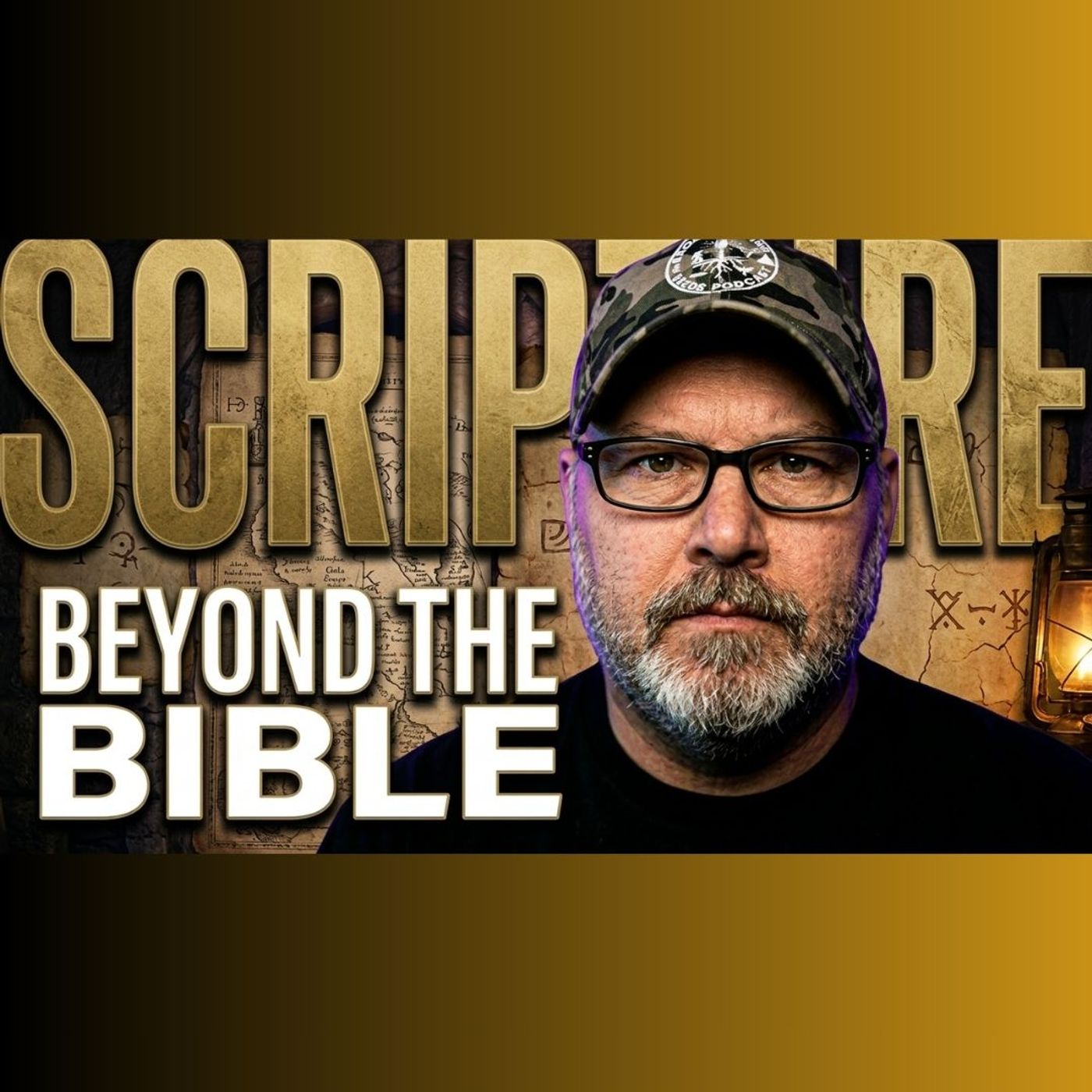
21
00:02:08.319 --> 00:02:12.439
once you start following this thread, the story of the
22
00:02:12.439 --> 00:02:18.680
Bible stops feeling simple and starts becoming something far more layered.
23
00:02:18.800 --> 00:02:23.919
Most people think they understand the Bible Genesis to Revelation,
24
00:02:24.479 --> 00:02:33.599
sixty six books, final answer, right, But that's the end
25
00:02:33.639 --> 00:02:36.879
of the story, not the beginning. And what we now
26
00:02:36.960 --> 00:02:42.800
call the Bible came together over hundreds of years, not
27
00:02:42.919 --> 00:02:46.240
in a single moment, not in a single actual place,
28
00:02:47.759 --> 00:02:54.199
and certainly not without disagreement. Different communities were reading different texts.
29
00:02:56.400 --> 00:03:04.199
Some were widely accepted, some were debated, some lived at
30
00:03:04.639 --> 00:03:08.719
right on the edge. And this is where things start
31
00:03:08.800 --> 00:03:13.039
to shift, because when you look at early Christian history
32
00:03:13.439 --> 00:03:17.159
you find evidence of them of like this middle category,
33
00:03:17.560 --> 00:03:21.919
books that weren't quite scripture, but they weren't rejected either.
34
00:03:24.120 --> 00:03:28.560
There's an early document called the Meritorian Fragment from the
35
00:03:28.719 --> 00:03:34.599
late second century. It lists recognized books, but it also
36
00:03:34.719 --> 00:03:39.240
mentions writings like the Shepherd of Hermas, saying it should
37
00:03:39.280 --> 00:03:44.599
be read, just not publicly in church with the others. Now,
38
00:03:44.719 --> 00:03:49.080
that distinction matters. That texts can be useful and even
39
00:03:49.240 --> 00:03:54.960
encouraged and still not be part of the canon. A
40
00:03:55.080 --> 00:03:59.520
text can be respected circulated and still not make the
41
00:03:59.599 --> 00:04:04.319
cut right. So fast forward to three sixty seven AD
42
00:04:05.479 --> 00:04:12.800
and Athansias of our Alexandria writes his thirty ninth Festal
43
00:04:12.919 --> 00:04:17.759
Letter and listing the twenty seven books of the New
44
00:04:17.800 --> 00:04:24.079
Testament exactly as we know them today. But even he
45
00:04:24.199 --> 00:04:30.079
draws a line. He names other books as valuable for instruction,
46
00:04:32.120 --> 00:04:36.319
just not part of the canon. So the pattern shows
47
00:04:36.399 --> 00:04:43.560
up again and again, not banned, not destroyed, but I'd
48
00:04:43.600 --> 00:04:46.600
say categorized is the best way to describe it, and
49
00:04:46.639 --> 00:04:51.600
that raises a deeper question. What separates a book that
50
00:04:51.720 --> 00:04:56.920
becomes scripture from one that doesn't. I mean, is it
51
00:04:57.000 --> 00:05:06.759
authorship or consistency, maybe usage or something less obvious. Once
52
00:05:06.800 --> 00:05:09.959
you see the process, you can't unsee it, though, and
53
00:05:10.000 --> 00:05:13.759
by the by the end of this episode, you'll understand
54
00:05:13.839 --> 00:05:18.759
how the Bible was formed, what kinds of books were
55
00:05:18.839 --> 00:05:25.959
left out, and why this matters. Right now, we're moving
56
00:05:26.000 --> 00:05:30.120
through early church history, ancient manuscripts and discoveries like the
57
00:05:30.199 --> 00:05:36.399
Dead Sea scrolls and texts found at Naghamati. I've talked
58
00:05:36.399 --> 00:05:40.720
about this in past episodes, which I'll link to this episode.
59
00:05:41.360 --> 00:05:44.839
Some of this is straightforward and some of it is
60
00:05:45.720 --> 00:05:53.839
hotly debated. Some of it doesn't land cleanly. Per Broadcasting Seeds. Way, right,
61
00:05:55.120 --> 00:05:58.160
we're calling this series Beyond the Bible. It's going to
62
00:05:58.199 --> 00:06:01.439
go on for about ten weeks because we're finished with
63
00:06:01.560 --> 00:06:04.319
the Supernatural Bible, so we're gonna go with Beyond the
64
00:06:04.360 --> 00:06:09.240
Bible because where the cannon ends, the conversation sure does not.
65
00:06:09.759 --> 00:06:15.480
It just doesn't end. And people are revisiting these edges, right,
66
00:06:15.639 --> 00:06:21.240
these edges of biblical scripture. Not because the information is new,
67
00:06:21.920 --> 00:06:29.040
because it sure isn't, but because access is for some
68
00:06:29.120 --> 00:06:34.720
of these I mean, we have the Internet and most
69
00:06:34.800 --> 00:06:38.879
of the stuff is there now. And if you're yeah, so,
70
00:06:39.279 --> 00:06:43.040
it'll be great. If you're getting value from this, though,
71
00:06:43.639 --> 00:06:46.759
take a moment to like, share and review the podcast.
72
00:06:47.000 --> 00:06:51.120
That's how this show reaches people asking these questions. And
73
00:06:51.240 --> 00:06:55.160
if you want to support the podcast, I urge you
74
00:06:55.240 --> 00:07:00.680
now to check out my books. They keep this show going. Okay,
75
00:07:01.240 --> 00:07:04.079
I've written a few books and you can find them
76
00:07:04.360 --> 00:07:08.879
at Bennett tantonbooks dot com or through some links at
77
00:07:08.920 --> 00:07:13.920
Broadcasting Seeds dot com. If you're researching or working in
78
00:07:14.000 --> 00:07:19.519
this space, there's a room to connect to always. Now
79
00:07:20.399 --> 00:07:25.439
let's go a little deeper in the section one. Most
80
00:07:25.439 --> 00:07:29.240
people approach the idea of books left out of the
81
00:07:29.240 --> 00:07:35.000
Bible as if it's about secrets, right. They look at
82
00:07:35.000 --> 00:07:39.480
them as hidden texts and suppressed knowledge. But when you
83
00:07:39.920 --> 00:07:45.120
step into the history, it actually doesn't look that like that.
84
00:07:46.079 --> 00:07:52.120
It looks a lot slower. It's more gradual, way, more human.
85
00:07:53.079 --> 00:07:53.279
Right.
86
00:07:53.639 --> 00:07:56.600
And the formation of the Bible wasn't a single event.
87
00:07:57.480 --> 00:08:02.639
It unfolded across centuries, and it started way before Christianity.
88
00:08:04.439 --> 00:08:09.040
In the first century. The Jewish historian Josephus described a
89
00:08:09.279 --> 00:08:13.480
defined set of sacred writings, and he spoke of twenty
90
00:08:13.519 --> 00:08:17.240
two books and made it clear that later writings just
91
00:08:17.720 --> 00:08:24.759
didn't carry the same authority that tells you something right away.
92
00:08:24.800 --> 00:08:29.560
Even before the New Testament, people were already asking what
93
00:08:29.839 --> 00:08:35.919
counted as scripture. Now moved forward, and early Christians didn't
94
00:08:36.320 --> 00:08:41.159
have a finished New Testament. They had letters, of course,
95
00:08:41.240 --> 00:08:47.519
they had accounts, firsthand accounts, teachings being copied and shared
96
00:08:47.559 --> 00:08:55.879
across regions, and those collections weren't identical everywhere. Picture a
97
00:08:55.919 --> 00:09:02.039
small gathering, someone reads a letter attributed to say Paul okay,
98
00:09:02.600 --> 00:09:08.360
another time from a gospel, and occasionally something else. A
99
00:09:08.480 --> 00:09:13.240
text that fit. I guess it feels helpful and worth hearing,
100
00:09:13.279 --> 00:09:18.080
but not quite the same. So early Christianity didn't begin
101
00:09:18.200 --> 00:09:22.679
with a fixed book. It began with a flood of writings,
102
00:09:23.759 --> 00:09:27.360
and by the late second century we start to see
103
00:09:27.440 --> 00:09:31.799
efforts to bring order to that flood, and that's the
104
00:09:31.799 --> 00:09:35.440
Meritorian fragment reflects that moment, and we talked about that
105
00:09:35.559 --> 00:09:40.840
in the intro. Some books are reorganized, some books are
106
00:09:40.919 --> 00:09:47.840
just flat out rejected. Right, sorry, I'm a little sick.
107
00:09:49.840 --> 00:09:55.519
Some sit in between. The Shepherd of Hermas is a
108
00:09:55.679 --> 00:10:00.000
clear example of this. It circulated widely and was concealed
109
00:10:00.000 --> 00:10:04.639
that are valuable, but it came with a boundary. Read it,
110
00:10:05.360 --> 00:10:11.240
but don't treat it like scripture. So the question shifts
111
00:10:12.320 --> 00:10:17.720
not why it existed, but why it didn't cross Why
112
00:10:17.879 --> 00:10:22.279
it didn't cross that line. A book isn't excluded because
113
00:10:22.279 --> 00:10:26.360
it exists. It's excluded because it doesn't need a standard.
114
00:10:27.720 --> 00:10:32.799
Those standards weren't written in a single checklist. But there
115
00:10:32.840 --> 00:10:39.159
are patterns that emerge connection to the apostles or consistency
116
00:10:39.200 --> 00:10:44.399
of the teachings that were already accepted across communities and
117
00:10:45.039 --> 00:10:51.759
frankly widespread usage. This is where certain texts start to
118
00:10:51.879 --> 00:10:55.360
stand apart now, like the Gospel of Thomas, for example,
119
00:10:56.200 --> 00:11:00.960
that appears later around the mid second center, and its
120
00:11:01.000 --> 00:11:05.399
tone and structure are different. It reads less like a
121
00:11:05.720 --> 00:11:11.039
continuation and more like a paralleled voice entering the conversation.
122
00:11:12.519 --> 00:11:16.879
It doesn't automatically make it meaningless, of course, but it
123
00:11:16.919 --> 00:11:20.279
helps explain why it didn't carry the same weight as
124
00:11:20.320 --> 00:11:26.559
other books. Not everything ancient is equal either, age alone
125
00:11:26.600 --> 00:11:32.080
doesn't does not determine authority. And then there's the Dead
126
00:11:32.120 --> 00:11:41.720
Sea Scrolls and discovering discovered between sorry discovered beginning in
127
00:11:41.840 --> 00:11:48.840
nineteen forty seven. They open another layer of entirely hundreds
128
00:11:48.879 --> 00:11:54.279
of manuscripts, including biblical texts, commentaries, and works like Knock
129
00:11:54.480 --> 00:11:59.360
and Jubileese. That matters because it shows that the ancient world
130
00:11:59.679 --> 00:12:06.320
wasn't working from a single clean list. It was overlap.
131
00:12:06.360 --> 00:12:10.840
There was tons of overlap, a wider ecosystem of text
132
00:12:10.960 --> 00:12:17.559
moving through different communities. Some of those ideas became part
133
00:12:17.600 --> 00:12:23.320
of scripture and some just didn't, so some remained on
134
00:12:23.360 --> 00:12:29.000
the edges. The Bible didn't emerge in isolation and emerged
135
00:12:29.039 --> 00:12:31.679
from a crowded field. Folks, I guess it is the
136
00:12:31.720 --> 00:12:34.559
best way to describe it. So when people ask whether
137
00:12:34.639 --> 00:12:38.879
there were books left out of the Bible, the answer
138
00:12:38.960 --> 00:12:44.120
is actually yes. But the more useful question, in my opinion,
139
00:12:44.759 --> 00:12:49.279
is why those books didn't remain because once you follow
140
00:12:49.360 --> 00:12:55.639
that question, the conversation moves from curiosity to something deeper,
141
00:12:56.960 --> 00:13:02.639
and that's authority and trust and how something becomes foundational.
142
00:13:06.639 --> 00:13:09.799
Send this to a friend who's been asking whether there's
143
00:13:09.840 --> 00:13:23.679
more to the story than what they were handed Section two.
144
00:13:25.120 --> 00:13:29.679
Once you understand the process, the next question is about
145
00:13:30.519 --> 00:13:38.120
context or content, what was actually inside the books that
146
00:13:38.200 --> 00:13:42.399
didn't make it, Because this is where the differences become
147
00:13:42.480 --> 00:13:47.159
clear again. We'll take the tops the Gospel of Thomas,
148
00:13:48.759 --> 00:13:52.360
which was discovered in nineteen forty five near Nagamati, which
149
00:13:52.440 --> 00:13:56.600
is in Egypt, and it contains one hundred and fourteen
150
00:13:56.759 --> 00:14:03.440
sayings that were attributed to g Jesus. But there's no narrative,
151
00:14:04.120 --> 00:14:09.600
no crucifixion, no resurrection, just sayings. And many of those
152
00:14:09.600 --> 00:14:15.240
things they carry a different emphasis, less about repentance and
153
00:14:15.320 --> 00:14:21.480
more about hidden knowledge, less about transformation, more about uncovering
154
00:14:22.000 --> 00:14:28.039
something internal. Right in some of these texts, salvation is
155
00:14:28.159 --> 00:14:34.919
tied to insight rather than relationship and that shift matters.
156
00:14:37.360 --> 00:14:41.440
Early communities weren't only asking whether a text was interesting,
157
00:14:42.320 --> 00:14:46.000
they were asking whether it aligned with what they had,
158
00:14:47.080 --> 00:14:52.840
what they had already received. If it didn't, that raised concerns.
159
00:14:53.200 --> 00:14:57.720
Now consider the Book of Enoch, because this one's different.
160
00:15:01.000 --> 00:15:06.639
Part of it predates Christianity, and fragments were found among
161
00:15:06.679 --> 00:15:11.600
the Dead Sea scrolls showing a circulated that it circulated
162
00:15:11.600 --> 00:15:16.519
in Jewish communities. So the question becomes sharper. If Enoch
163
00:15:16.840 --> 00:15:22.679
was known and preserved, why isn't it in most bibles.
164
00:15:23.879 --> 00:15:27.360
Enoch expands on themes found in Genesis. It describes the
165
00:15:27.440 --> 00:15:33.879
watchers angels who descend an influence humanity, and it develops
166
00:15:33.919 --> 00:15:39.279
a detailed view of the unseen world. For some early
167
00:15:39.320 --> 00:15:42.559
readers that wasn't a problem because they had already heard
168
00:15:42.559 --> 00:15:46.799
these stories. In fact, the New Testament's Book of Jude
169
00:15:47.879 --> 00:15:53.840
quotes a passage attributed to Enoch that complicates the boundary.
170
00:15:55.279 --> 00:15:58.799
A text can exist outside the canon and still intersect
171
00:15:59.360 --> 00:16:07.279
with it. But influence doesn't equal inclusion, So inclusion depended
172
00:16:07.440 --> 00:16:13.759
on broader recognition and consistency and acceptance across communities. Enoch
173
00:16:14.559 --> 00:16:19.440
did not meet that threshold universally, except for in one tradition,
174
00:16:19.679 --> 00:16:24.720
the Ethiopian Orthodox Church still includes it in its canon.
175
00:16:27.240 --> 00:16:34.200
So this isn't just history, it's a living difference. What
176
00:16:34.360 --> 00:16:38.720
counts as scripture can vary depending on tradition. Then there
177
00:16:38.720 --> 00:16:44.840
are texts like the Oh my Gosh, the Didtickey and
178
00:16:46.039 --> 00:16:50.360
I have already talked about the Shepherd of Hermits. They
179
00:16:50.559 --> 00:16:56.200
were respected and copied and used for teaching, but still
180
00:16:56.200 --> 00:17:01.519
not considered scripture. That metal category shows up again, useful
181
00:17:03.039 --> 00:17:07.799
but not foundational. When you step back, a pattern forms.
182
00:17:08.400 --> 00:17:12.839
Some books were excluded because they just came later, some
183
00:17:13.039 --> 00:17:17.960
because their teachings diverged straight up, diverged from what was
184
00:17:18.000 --> 00:17:22.359
already being taught, some because their origins were maybe uncertain,
185
00:17:22.880 --> 00:17:27.799
and some because they didn't gain wide acceptance, not suppressed
186
00:17:28.400 --> 00:17:35.119
or filtered. The canon wasn't built by hiding information, I
187
00:17:35.160 --> 00:17:38.920
guess there's not a lot of It was shaped by
188
00:17:39.039 --> 00:17:43.839
narrowing it. So interest in these texts is growing again.
189
00:17:45.920 --> 00:17:51.039
People are reading Enoch, exploring Thomas, revisiting the Dead Sea scrolls,
190
00:17:51.119 --> 00:17:55.319
and the question that follows is almost always the same,
191
00:17:56.680 --> 00:18:00.400
why wasn't this included? And the answer isn't that they
192
00:18:00.440 --> 00:18:04.519
were hidden? Necessarily? Is that they didn't meet the same criteria.
193
00:18:06.519 --> 00:18:06.720
Ah.
194
00:18:08.400 --> 00:18:15.960
And once that's clear, the conversation shifts from secrecy to
195
00:18:16.279 --> 00:18:28.400
discernment Section three. At this point, the conversation stops being
196
00:18:28.440 --> 00:18:35.359
purely historical, okay, it becomes personal. And because once you
197
00:18:35.559 --> 00:18:42.319
understand that other texts alongside existed, what became scripture and
198
00:18:43.319 --> 00:18:46.880
you have to decide what to do with that. Not
199
00:18:47.000 --> 00:18:51.759
every claim survives and not every surviving text carries authority.
200
00:18:53.640 --> 00:18:58.160
There are two common reactions though. One assumes anything outside
201
00:18:58.200 --> 00:19:04.400
the Bible is automatically false. The other assumes anything outside
202
00:19:04.440 --> 00:19:12.079
it must contained hidden truth, so wild both oversimplifying the
203
00:19:12.240 --> 00:19:17.240
actual situation and the reality is more layered. Okay, Some
204
00:19:18.519 --> 00:19:23.920
of these texts were valued, and still are, some were debated,
205
00:19:24.240 --> 00:19:30.240
some influenced early communities, and still they weren't included. Okay,
206
00:19:31.039 --> 00:19:35.319
So the real question becomes how to approach them. Context
207
00:19:36.200 --> 00:19:39.759
absolutely matters, and the Dead Sea Scrolls are a good
208
00:19:39.759 --> 00:19:46.880
example of this. Discovered near Kumran beginning in nineteen forty seven,
209
00:19:47.599 --> 00:19:53.920
they revealed a broader textual world, biblical manuscripts, commentaries, and
210
00:19:53.960 --> 00:20:00.279
additional writings, all circulating together that shows the end ancient
211
00:20:00.359 --> 00:20:05.440
landscape was not uniform and everybody likes this nice uniform thing,
212
00:20:05.559 --> 00:20:09.960
right it was. It was active and varied and evolved
213
00:20:10.039 --> 00:20:14.759
all the time. Scripture emerged within a wider conversation, not
214
00:20:15.680 --> 00:20:22.519
outside of it. That reframes everything. So instead of asking
215
00:20:23.000 --> 00:20:27.920
what was hidden, you start asking what endured and why,
216
00:20:28.960 --> 00:20:35.680
because survival across centuries and cultures and transmission tells you something. Right,
217
00:20:35.799 --> 00:20:43.960
not everything lests. What remains tends to carry weight within
218
00:20:44.039 --> 00:20:51.079
the communities that preserved it. Okay, that doesn't automatically prove truth, though,
219
00:20:52.319 --> 00:20:59.079
but it does signal significance. Endurance points frankly to importance,
220
00:20:59.359 --> 00:21:04.279
even if it doesn't settle the question of truth. Now,
221
00:21:04.640 --> 00:21:09.920
it's important to separate fact from speculation. And there are
222
00:21:09.960 --> 00:21:16.880
some facts, the fact many texts existed, right. Another fact
223
00:21:16.960 --> 00:21:23.920
is that some were respected but not canonized. Fact different
224
00:21:23.960 --> 00:21:32.279
traditions still define the canon differently. Now, speculation that there
225
00:21:32.519 --> 00:21:36.799
was a coordinated effort to suppress a hidden original version
226
00:21:36.839 --> 00:21:42.759
of Christianity. This is hotly debated. There's no solid evidence
227
00:21:42.960 --> 00:21:48.079
that for that claim. In the material that we've covered, right,
228
00:21:48.720 --> 00:21:52.680
what we do see is a process of selection, evaluation,
229
00:21:52.880 --> 00:22:00.400
and narrowing over time, and those edges, those edge texts
230
00:22:00.440 --> 00:22:04.799
are still accessible, like the Gospel of Thomas can be
231
00:22:04.839 --> 00:22:08.680
read today. The Book of Enoch is available in many forms.
232
00:22:09.079 --> 00:22:17.839
Dead Sea scrolls have been published and studied. Nothing is
233
00:22:17.880 --> 00:22:21.240
locked away at least of these texts right now. That
234
00:22:21.240 --> 00:22:27.359
doesn't mean that there isn't. But for these texts that
235
00:22:27.400 --> 00:22:32.160
we've talked about, access isn't the issue anymore. Interpretation is.
236
00:22:33.559 --> 00:22:37.680
There could be other hidden stuff, but again I don't know.
237
00:22:37.799 --> 00:22:41.480
There's only so much that we can cover right right now.
238
00:22:41.799 --> 00:22:49.400
Interesting interest is absolutely increasing because people are connecting with