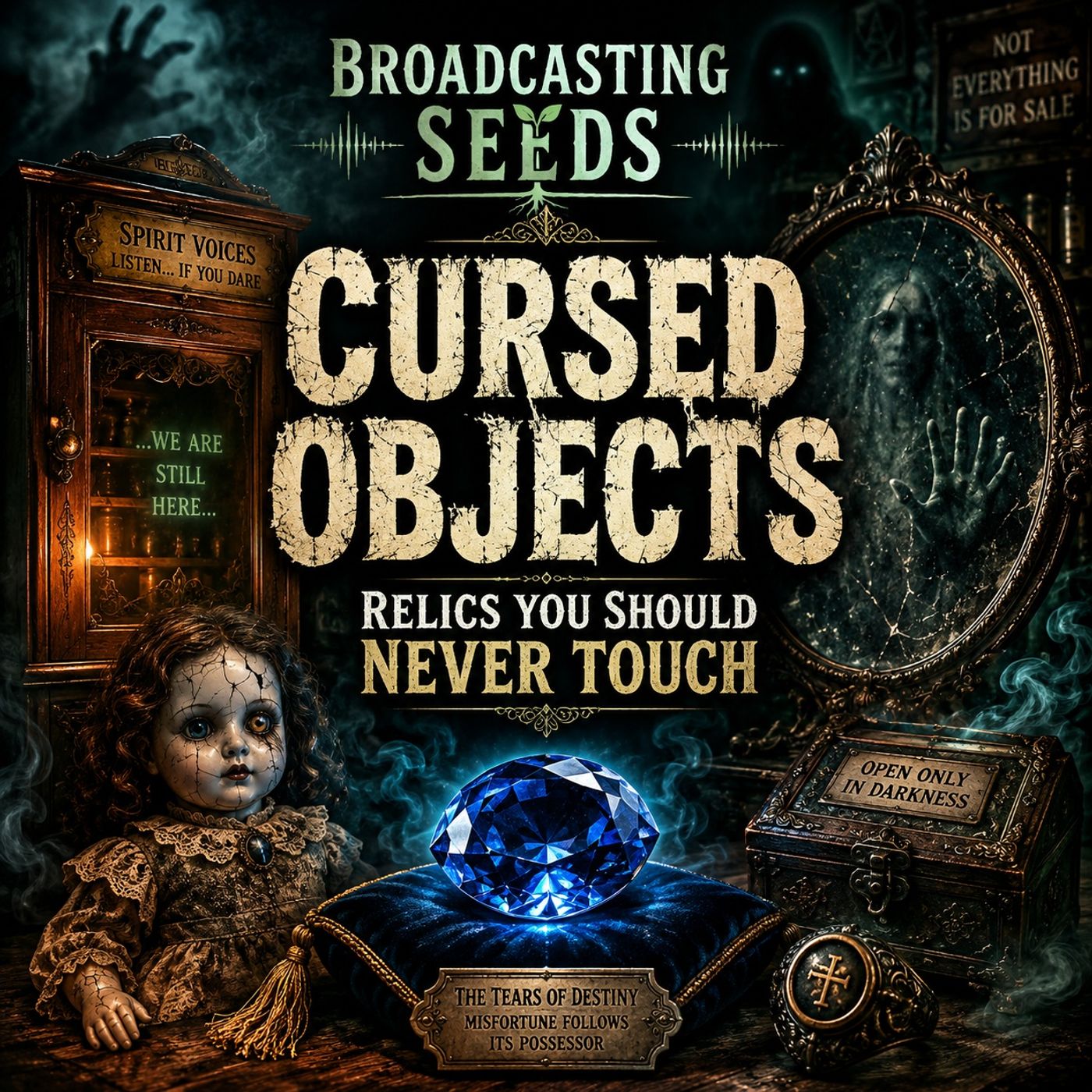
The Dybbuk Box: Unpacking the Terrifying Reality of Haunted Artifacts
Could a simple wooden box hold a malevolent spirit, capable of inflicting nightmares and unimaginable misfortune? This post explores the chilling legend of the Dybbuk Box, examining its origins, alleged supernatural effects, and the psychological underpinnings that might explain its terrifying reputation. We'll delve into the dark market where such artifacts are traded and question the very nature of belief when it comes to haunted objects.
Key Takeaways
- The Dybbuk Box is a Jewish artifact believed to contain a restless spirit, causing severe psychological distress and paranormal activity.
- Its notoriety stems from anecdotal accounts of nightmares, hallucinations, and unexplained tragedies affecting its owners.
- The psychological impact of the Dybbuk Box highlights the power of suggestion and confirmation bias in perceived paranormal experiences.
- A thriving underground market exists for haunted and cursed items, driven by collectors, occult enthusiasts, and those seeking extreme thrill.
- The debate continues whether the effects are purely psychological or if genuine supernatural forces are at play with such artifacts.
The Dybbuk Box Legend
The Dybbuk Box is perhaps one of the most infamous examples of a cursed object, a seemingly ordinary wine cabinet that has become synonymous with terror. Its legend, amplified by popular culture and firsthand accounts, tells of a 'dybbuk' – a malevolent spirit from Jewish folklore – trapped within. The stories associated with the box are harrowing, detailing a progression of increasingly disturbing events that befall its owners. These often begin with unsettling nightmares, progressing to terrifying hallucinations, a pervasive sense of dread, and even physical ailments.
The narrative gained significant traction after its appearance on paranormal investigation shows and subsequent sale on online auction sites. Each owner’s story, whether verified or embellished, adds another layer to the mystique, painting a picture of an object that actively resists peaceful coexistence. The core of the legend lies in the belief that a dybbuk, a dislocated soul, seeks to attach itself to the living, and that this particular box serves as its vessel, a conduit for its torment.
Origins and Folklore
While the modern legend of the Dybbuk Box is relatively recent, its roots are firmly planted in Jewish mysticism and folklore. The concept of a 'dybbuk' has been a part of Jewish demonology for centuries, described as the disembodied spirit of a deceased person that attaches itself to a living host, seeking to control their actions and sow chaos. These spirits are often depicted as vengeful or tormented, driven by unfinished business or a desire for retribution.
The specific artifact known as 'The Dybbuk Box' is said to have originated from a Holocaust survivor who, upon their death, had their dybbuk sealed within the box to prevent it from harming others. The box itself is described as a small wine cabinet, often adorned with Jewish symbols, and was reportedly passed down through various hands, each encounter allegedly escalating the malevolent phenomena. The transmission of such spirits and curses is a recurring theme in occult lore, suggesting that these entities can latch onto objects, places, or even bloodlines.
Documented Paranormal Experiences
The notoriety of the Dybbuk Box is largely fueled by anecdotal evidence and personal testimonies. Numerous individuals who have owned or interacted with the box have reported a consistent pattern of disturbing experiences. These accounts often include:
- Intense, recurring nightmares filled with dark imagery and a feeling of being watched or pursued.
- Auditory and visual hallucinations, such as whispers, shadows moving in peripheral vision, and unexplained noises.
- A palpable sense of dread and unease that permeates their living spaces.
- Unexplained physical symptoms, including fatigue, respiratory problems, and skin conditions.
- A perceived malevolent presence that seems to follow them, affecting their mood and behavior.
One of the most famous accounts comes from Kevin Mannis, an antique dealer who first acquired the box and documented the strange occurrences that began shortly after. His detailed descriptions, along with subsequent owners' experiences, have become the foundation of the Dybbuk Box's terrifying reputation. While these accounts are subjective, the consistency in their descriptions across different individuals adds a compelling, albeit unverified, weight to the legend.
The Psychology of Haunted Objects
While the sensational accounts of the Dybbuk Box are captivating, it's crucial to consider the psychological factors that contribute to the perception of a 'haunted' object. The human mind is incredibly susceptible to suggestion, and the power of belief, particularly when amplified by fear and storytelling, can create powerful experiences that feel undeniably real.
The concept of the nocebo effect, the negative counterpart to the placebo effect, is highly relevant here. If an individual is convinced an object is cursed or haunted, their subconscious mind can manifest these fears into perceived reality. This can lead to heightened anxiety, misinterpretation of normal occurrences as supernatural, and even psychosomatic symptoms. The stories surrounding the Dybbuk Box, widely circulated through media and online forums, create a potent suggestion that primes individuals to interpret any unsettling event as evidence of the box’s curse.
Confirmation bias also plays a significant role. Once someone believes an object is cursed, they are more likely to notice and remember events that confirm this belief, while dismissing or ignoring instances that contradict it. The history of the Dybbuk Box, rich with tales of misfortune, provides fertile ground for confirmation bias to thrive. The fear of the unknown, combined with the human tendency to seek patterns and explanations, can transform ordinary anxieties into perceived paranormal attacks.
The Dark Market for Cursed Artifacts
The Dybbuk Box is not an isolated phenomenon; it exists within a burgeoning underground market for haunted, cursed, and paranormal artifacts. This market caters to a diverse clientele, from avid collectors of the macabre and those dabbling in occult practices to individuals simply seeking a thrill or a unique conversation piece.
Online auction sites and private forums have become hubs for the trade of such items. Haunted dolls, cursed paintings, and alleged relics of historical figures are listed with descriptions that promise eerie experiences. The pricing can range from a few hundred dollars to thousands, depending on the perceived power or notoriety of the artifact. Sellers often leverage folklore, personal testimonies, and even fabricated histories to enhance the perceived value and allure of their items.
The existence of this market raises ethical questions about exploitation and the potential psychological harm inflicted upon buyers who may be vulnerable. It also highlights a fascinating aspect of human psychology: the desire to connect with the mysterious, the forbidden, and the potentially dangerous. Whether these items are genuinely imbued with supernatural energy or merely vessels for collective fear and belief, their trade continues to thrive in the shadows of the internet.
Speculation and the Future of Haunted Relics
The enduring fascination with cursed objects like the Dybbuk Box invites speculation about their potential impact, even venturing into the realm of weaponization. While firmly in the territory of the speculative, the idea that an object could be used to inflict psychological harm or disrupt individuals is a concept explored in fiction and fringe theories.
Could the sheer power of belief, amplified by alleged supernatural forces within an artifact, be harnessed? Some theories suggest that focused intent or the manipulation of energies associated with these objects could potentially influence a person’s mental state. This crosses into territory often explored by military research into psychological warfare or unconventional weaponry, though concrete evidence remains elusive and largely confined to conjecture and science fiction tropes.
As technology advances and our understanding of the mind expands, the lines between folklore, psychology, and potential esoteric applications of such artifacts may continue to blur. The Dybbuk Box, with its chilling narrative and the persistent questions it raises, serves as a potent reminder of the enduring power of stories, belief, and the profound mysteries that lie just beyond our current comprehension.
For a deeper dive into the unsettling world of cursed objects and the mysteries they hold, listen to the full episode. Join us as we continue to explore the fringe of possibility and broadcast seeds of wonder.
Frequently Asked Questions
What is the origin of the Dybbuk Box legend?
The modern legend of the Dybbuk Box is said to have originated with a Holocaust survivor who reportedly sealed a dybbuk (a malevolent spirit from Jewish folklore) within the box upon their death to prevent it from tormenting others. The story gained wider recognition through antique dealer Kevin Mannis and subsequent paranormal media.
Are the effects of the Dybbuk Box scientifically proven?
No, the effects attributed to the Dybbuk Box are primarily based on anecdotal evidence and personal testimonies. While psychological explanations like the nocebo effect and confirmation bias can account for many of the reported experiences, there is no scientific proof of a supernatural entity within the box.
Who buys cursed artifacts like the Dybbuk Box?
Buyers of cursed artifacts are diverse, including collectors of macabre or unique items, individuals interested in the occult and paranormal, those seeking thrill or notoriety, and sometimes people who genuinely believe in the object's supernatural properties and seek to interact with or contain them.
Can belief alone cause the paranormal effects attributed to the Dybbuk Box?
Psychological principles suggest that strong belief can significantly influence perception and even physical well-being. The nocebo effect and confirmation bias can lead individuals to experience symptoms and interpret events in ways that align with their belief in a cursed object, making the perceived paranormal effects very real for them.